





A mid‑sized biotech company had invested heavily in data management but was not realising sufficient value. Leadership wanted an assessment of the entire data landscape to identify opportunities for AI‑driven improvements across the drug‑development pipeline.
We audited the company’s data landscape, built predictive models and developed a strategic roadmap to embed AI into drug development.
Why It Matters
The project demonstrates how careful auditing and targeted AI initiatives can deliver immediate benefits and lay a foundation for long‑term digital transformation. By tying AI to clear business questions, the company improved decision‑making and set a course for data‑driven drug development.
Let’s discuss how we can turn your data into real scientific impact.
Contact us >
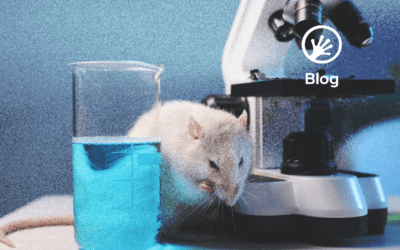
For over a century, the life sciences industry has relied on animal models as the standard for predicting drug safety and effect. But today, the industry faces a harsh reality: over 90% of new drugs that appear safe and effective in animal tests ultimately fail in human clinical trials (see for example Ineichen et al. 2024 [1] and Marshall et al. 2023[2])
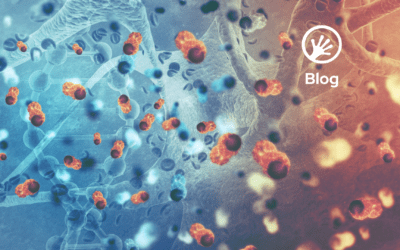
Oncology drug development often begins in patients, allowing early safety and efficacy insights. Yet many cancer drugs still fail in the clinic. We validate the target but ignore its context within the tumor microenvironment. This article explores why spatial biology may improve clinical success.
BioLizard has been named “Bioinformatics Innovation of the Year” in the 2025 BioTech Breakthrough Awards. The honor spotlights Bio|Verse® Navigator, a visual analytics workspace that unifies complex R&D data so scientists can decide faster, with confidence.