





The client sought to transform its R&D bioinformatics capabilities, enabling efficient single-omic operations and facilitating multi-omics integration. They needed to harmonise data practices, define roles and responsibilities and plan a major organisational change.
We assessed existing capabilities, designed a technical and operational architecture and planned a transformation with support to harmonise multi-omics R&D.
Effective data-management strategies enable large organisations to leverage omics data for discovery. By harmonising processes and defining clear ownership, the client maximised its potential for innovation and efficiency.
Let’s discuss how we can turn your data into real scientific impact.
Contact us >
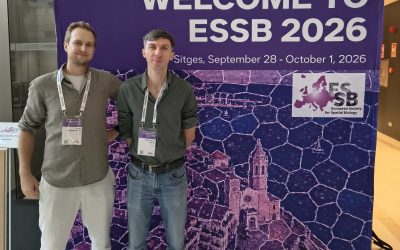
BioLizard is proud to have received the Best Poster Award at the European Society for Spatial Biology (ESSB) conference, recognising our work on benchmarking cell segmentation methods for single-cell spatial transcriptomics.
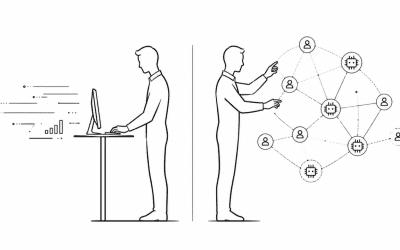
Paul Vauterin has transitioned from Chief Technology Officer (CTO) to Chief Operating Officer (COO) at BioLizard, reflecting a shift in focus towards helping organisations integrate AI into their operations and unlock greater value from their data.
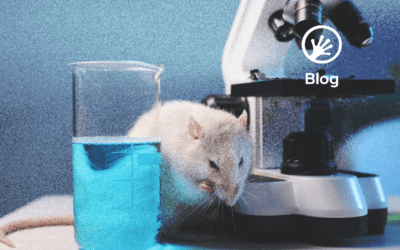
For over a century, the life sciences industry has relied on animal models as the standard for predicting drug safety and effect. But today, the industry faces a harsh reality: over 90% of new drugs that appear safe and effective in animal tests ultimately fail in human clinical trials (see for example Ineichen et al. 2024 [1] and Marshall et al. 2023[2])