





The company aimed to perform a comprehensive analysis of camelid germline immunoglobulin V gene repertoires and assess homology to human counterparts. Manual analysis of thousands of sequences is time-consuming and prone to error.
We mined camelid genomes, analysed homology with humans and streamlined immunoinformatics to accelerate antibody discovery.
Purpose-built computational tools reduce the barriers to antibody discovery. Automating sequence analysis accelerates therapeutic development and opens new avenues in immuno-biotech.
Let’s discuss how we can turn your data into real scientific impact.
Contact us >
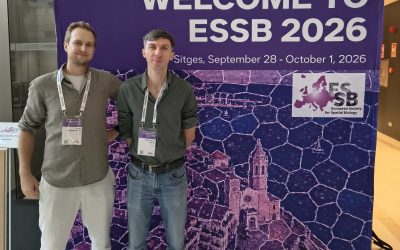
BioLizard is proud to have received the Best Poster Award at the European Society for Spatial Biology (ESSB) conference, recognising our work on benchmarking cell segmentation methods for single-cell spatial transcriptomics.
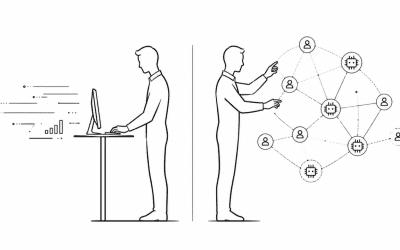
Paul Vauterin has transitioned from Chief Technology Officer (CTO) to Chief Operating Officer (COO) at BioLizard, reflecting a shift in focus towards helping organisations integrate AI into their operations and unlock greater value from their data.
For over a century, the life sciences industry has relied on animal models as the standard for predicting drug safety and effect. But today, the industry faces a harsh reality: over 90% of new drugs that appear safe and effective in animal tests ultimately fail in human clinical trials (see for example Ineichen et al. 2024 [1] and Marshall et al. 2023[2])