






In this webinar, experts from BioLizard and Pixelgen Technologies guide you through how spatial omics can deepen your biological understanding by preserving spatial context within molecular analyses.
We will present an introduction to the pioneering molecular pixelation method for single cell spatial proteomics, and share insights into analysis of spatial omics data and integration of different omics data types – drawing on real-life case studies.
If you are a biotech professional interested in leveraging spatial technologies, and want more information on the advantages and details of utilizing the technology, this webinar is for you. Don’t miss this opportunity to explore the frontier of spatial omics and its implications for precision medicine, drug discovery, and beyond.
Want to learn more about spatial technologies?
Spatial data is emerging as a new way to improve understanding of mechanisms of action underlying disease states. Improved understanding of disease mechanisms and modes of action leads to better clinical trial design. This enables the identification and validation of robust biomarkers, which aid in patient stratification and optimization of trial design. High-throughput single-cell omics screening and diagnostics are rapidly becoming a reality, and similar opportunities are expected with spatial technologies in the future.
The referred article was prepared by our in-house expert Dr. Viacheslav Mylka, you can find further information about the added biological and scientific value that spatial transcriptomics in particular may bring for your research projects.

BioLizard is proud to have received the Best Poster Award at the European Society for Spatial Biology (ESSB) conference, recognising our work on benchmarking cell segmentation methods for single-cell spatial transcriptomics.
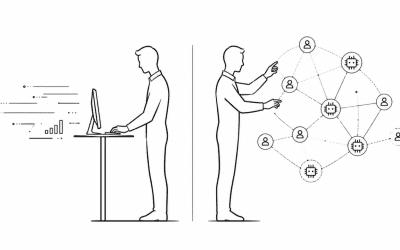
Paul Vauterin has transitioned from Chief Technology Officer (CTO) to Chief Operating Officer (COO) at BioLizard, reflecting a shift in focus towards helping organisations integrate AI into their operations and unlock greater value from their data.
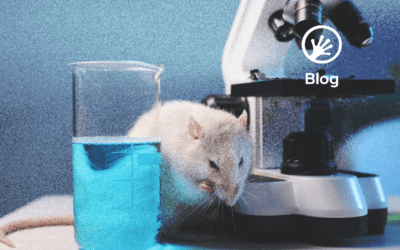
For over a century, the life sciences industry has relied on animal models as the standard for predicting drug safety and effect. But today, the industry faces a harsh reality: over 90% of new drugs that appear safe and effective in animal tests ultimately fail in human clinical trials (see for example Ineichen et al. 2024 [1] and Marshall et al. 2023[2])