







AI has quickly become part of everyday biotech research, helping scientists navigate information, write code and make sense of complex data. But chat-based tools have their limits. They can provide answers and guidance, but they cannot always do the actual scientific work. As biotech moves beyond the chatbox, the next step is putting AI to work directly within research workflows.
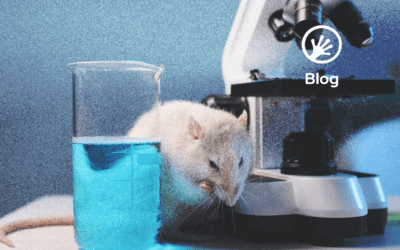
For over a century, the life sciences industry has relied on animal models as the standard for predicting drug safety and effect. But today, the industry faces a harsh reality: over 90% of new drugs that appear safe and effective in animal tests ultimately fail in human clinical trials (see for example Ineichen et al. 2024 [1] and Marshall et al. 2023[2])
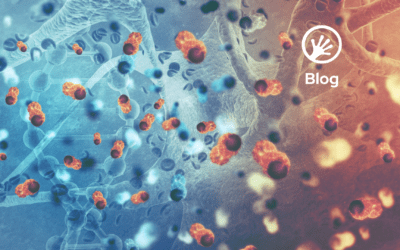
Oncology drug development often begins in patients, allowing early safety and efficacy insights. Yet many cancer drugs still fail in the clinic. We validate the target but ignore its context within the tumor microenvironment. This article explores why spatial biology may improve clinical success.

Bioinformatics pipelines break for the smallest reasons: package updates, shifting dependencies, or “it only works on my machine.” This post explains why experienced software engineers and DevOps practices (Git, CI/CD, IaC) are essential to keep workflows reproducible, stable, and scalable.
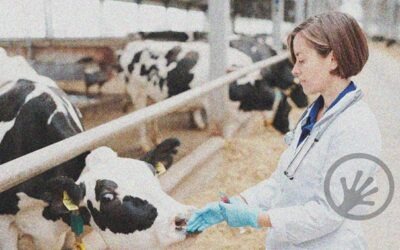
In a BioVox article, BioLizard’s Volodimir Olexiouk and Steff Taelman explore how data science can bridge the gap between human and veterinary research, enabling better disease prediction, improved animal welfare, and stronger One Health outcomes.

Modern biomarker discovery relies on multi-omics and AI/ML to uncover complex disease patterns. BioLizard’s Bio|Mx empowers researchers to integrate diverse datasets, generate actionable insights, and drive biology-focused, data-driven R&D in human health.

Biomarker discovery enables safer, more efficient drug development. By identifying disease mechanisms and stratifying patient populations, researchers can reduce uncertainty in clinical trials and improve therapeutic outcomes across diverse disease areas.

Unravel microbial interactions with network analysis. BioLizard shows how similarity, regression, and dynamic networks help detect keystone taxa, predict ecosystem effects, and turn complex microbiome data into actionable biological insights.

Uncover the plant microbiome with BioLizard. From amplicon and shotgun sequencing to meta-omics, these tools provide insights into microbial species, gene expression, and biochemical pathways shaping plant health and resilience.

Plant microbiomes play a vital role in plant health, growth, and resilience. From nutrient uptake to disease suppression, understanding these microbial communities enables sustainable agriculture, improved food quality, and potential benefits for human health. BioLizard provides expert analysis and tools for microbiome research.