





The institute wanted to identify diagnostic biomarkers for neurodegenerative diseases by analysing proteins in extracellular vesicles from cerebrospinal fluid. Shotgun proteomics data contained missing values and required rigorous processing.
We applied rigorous data processing, statistical analysis and biological context assessment to identify diagnostic biomarkers.
Reliable biomarker discovery pipelines accelerate translational research. This project shows how expert analysis of proteomics data can reveal diagnostic candidates and guide further research.
Let’s discuss how we can turn your data into real scientific impact.
Contact us >

BioLizard is proud to have received the Best Poster Award at the European Society for Spatial Biology (ESSB) conference, recognising our work on benchmarking cell segmentation methods for single-cell spatial transcriptomics.

Paul Vauterin has transitioned from Chief Technology Officer (CTO) to Chief Operating Officer (COO) at BioLizard, reflecting a shift in focus towards helping organisations integrate AI into their operations and unlock greater value from their data.
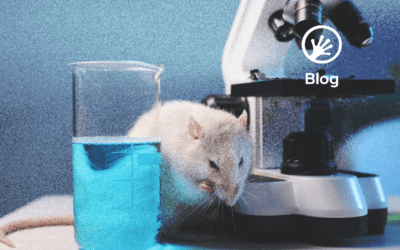
For over a century, the life sciences industry has relied on animal models as the standard for predicting drug safety and effect. But today, the industry faces a harsh reality: over 90% of new drugs that appear safe and effective in animal tests ultimately fail in human clinical trials (see for example Ineichen et al. 2024 [1] and Marshall et al. 2023[2])