





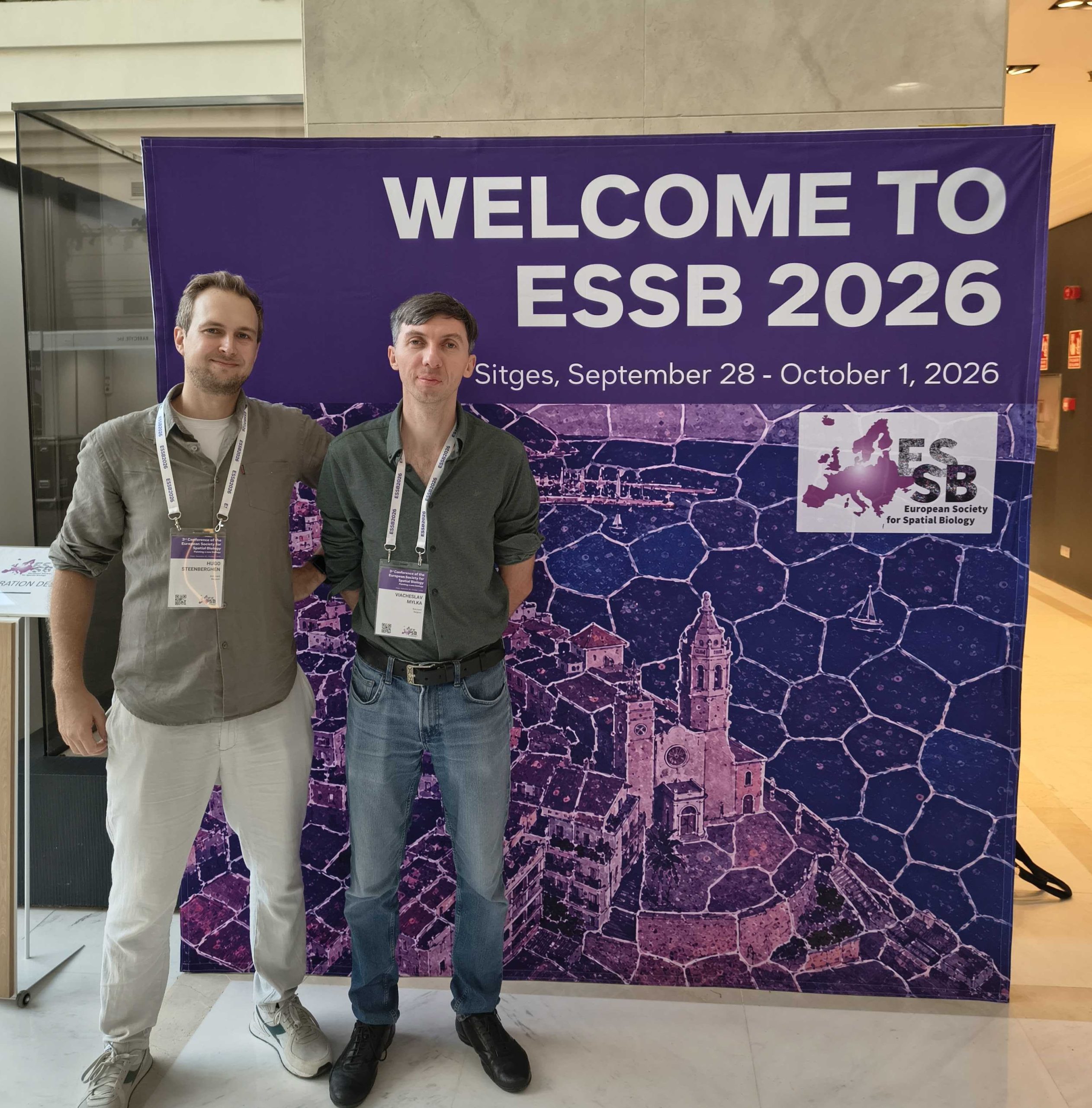
BioLizard is proud to have received the best poster award at the European Society for Spatial Biology (ESSB) conference, recognising our work on benchmarking cell segmentation methods for single-cell spatial transcriptomics.
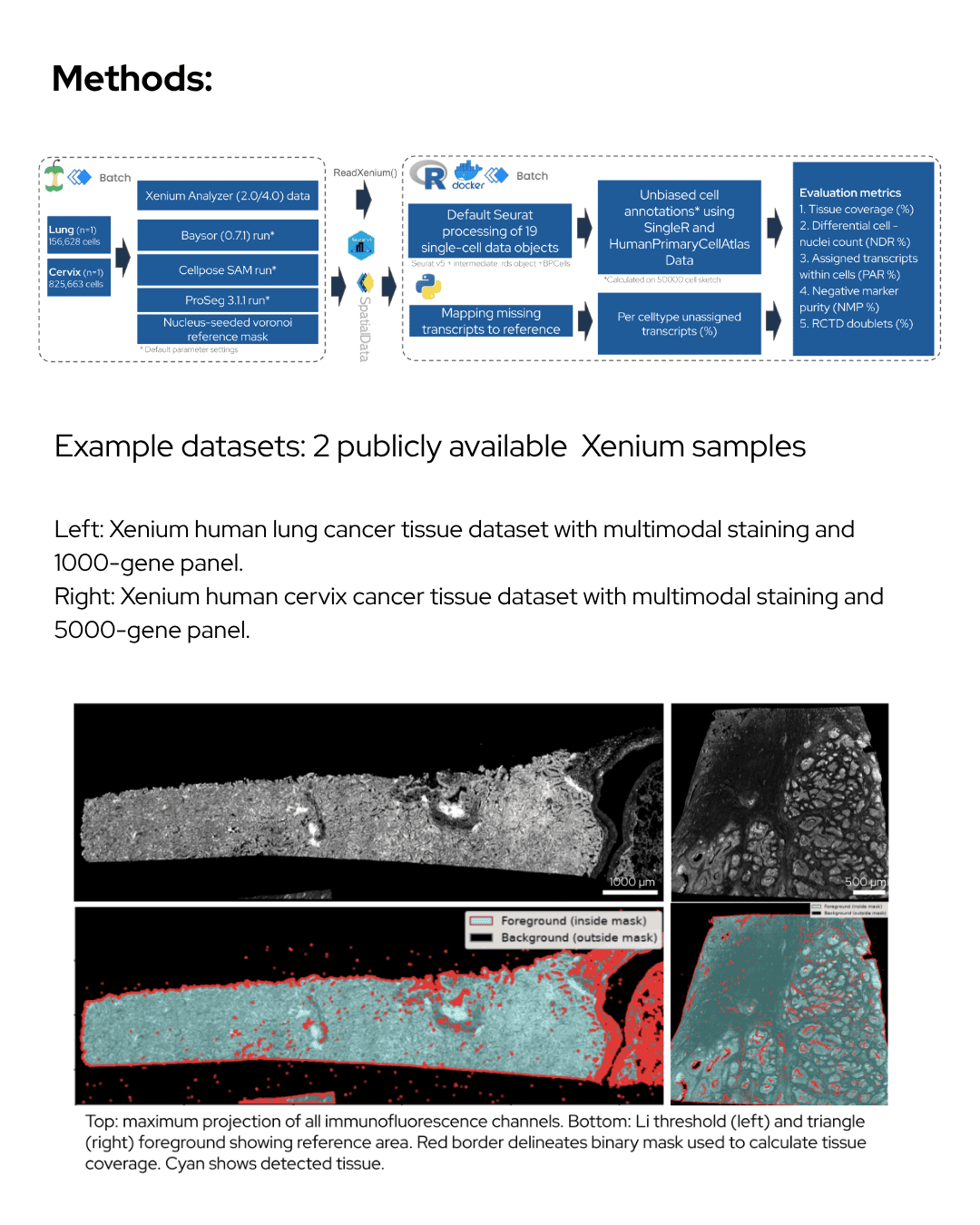
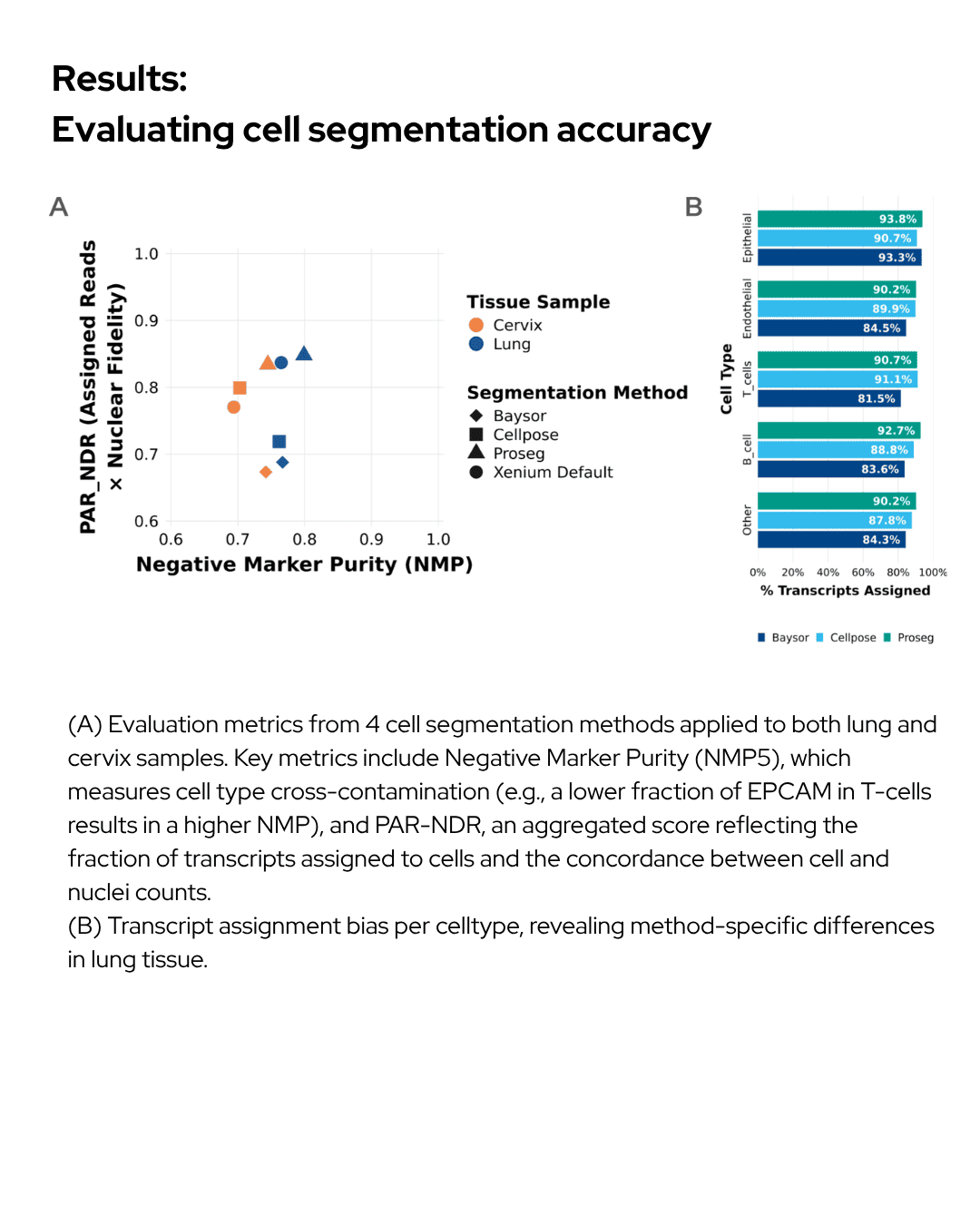
Presented by Hugo Steenberghen, Michiel Van der Haegen, Alexander Scheer and Viacheslav Mylka, the poster explored how four cell segmentation methods perform across human lung and cervix cancer Xenium datasets. The team compared key quality metrics, including cell-type purity, transcript assignment, tissue coverage, and cell boundary accuracy, to better understand how segmentation choices influence downstream analyses.
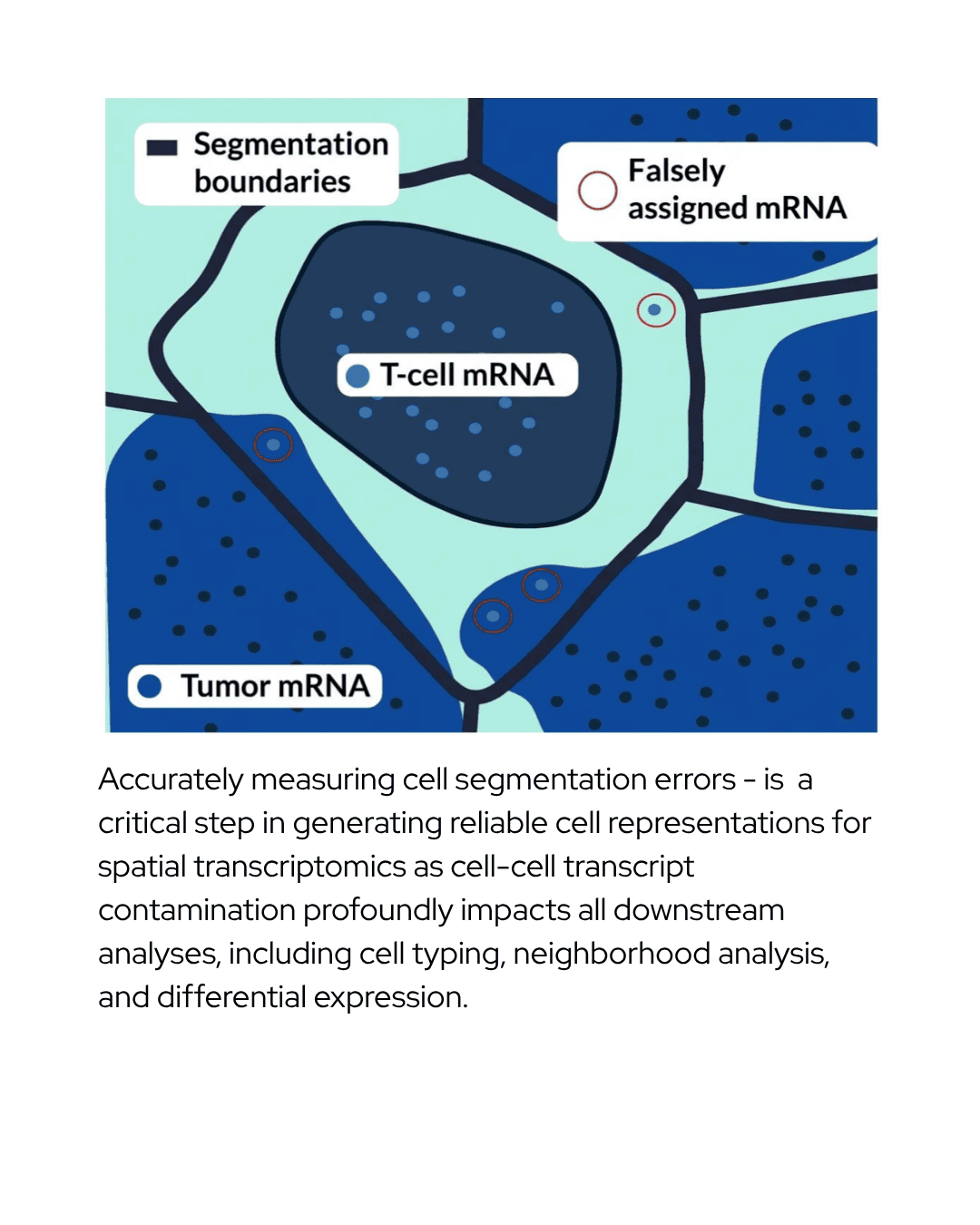
Accurate cell segmentation is essential for generating reliable spatial transcriptomics data. The findings highlight how different methods involve different trade-offs, reinforcing the importance of selecting and evaluating segmentation approaches based on the dataset and research question.
The award is a great recognition of work that resonates with the spatial biology community. We’re proud of our team and grateful for the opportunity to share our research, exchange ideas, and contribute to advancing reliable, biologically meaningful insights from complex spatial data.
Explore the key findings and takeaways from our poster below.
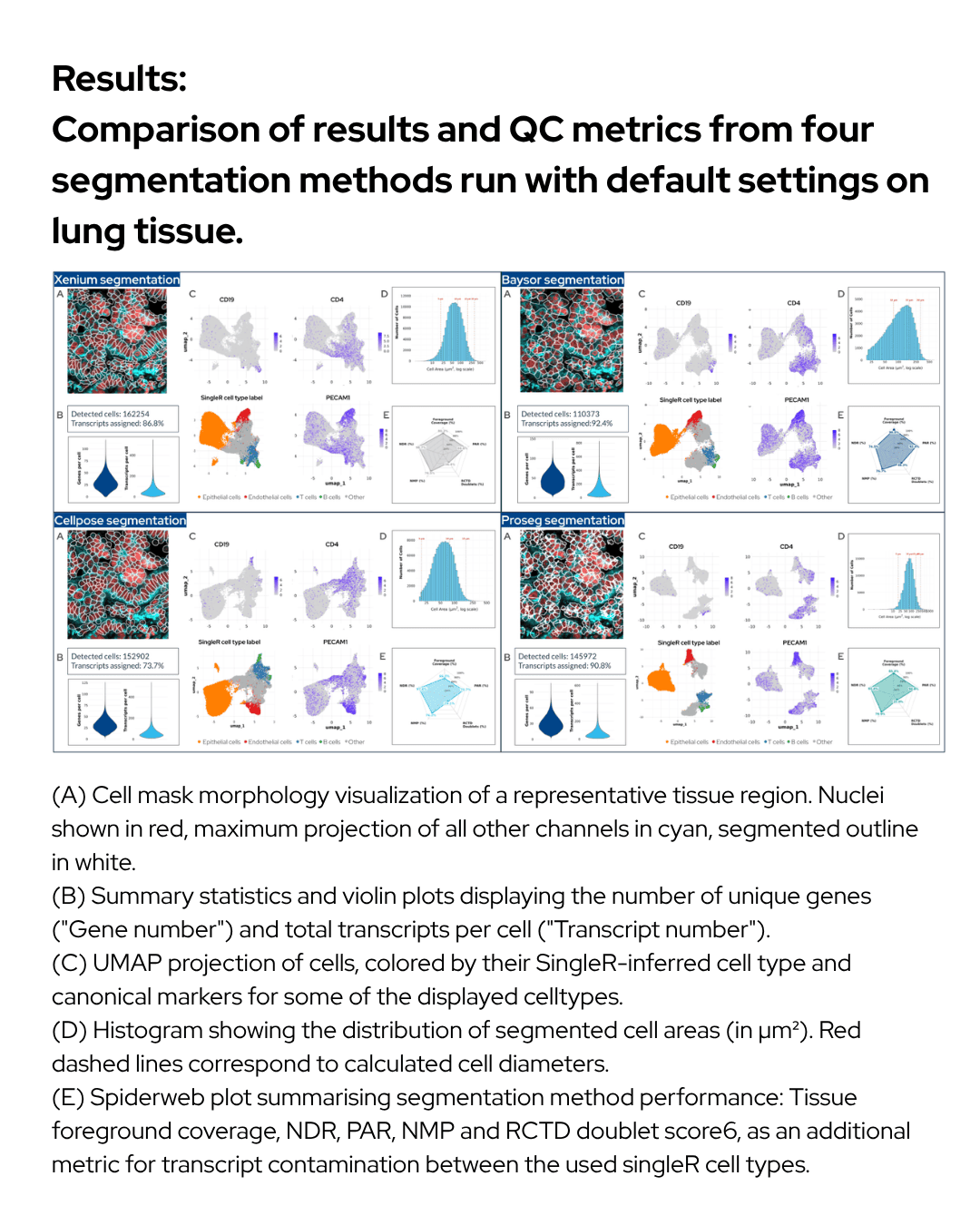
Conclusions
Paul Vauterin has transitioned from Chief Technology Officer (CTO) to Chief Operating Officer (COO) at BioLizard, reflecting a shift in focus towards helping organisations integrate AI into their operations and unlock greater value from their data.

For over a century, the life sciences industry has relied on animal models as the standard for predicting drug safety and effect. But today, the industry faces a harsh reality: over 90% of new drugs that appear safe and effective in animal tests ultimately fail in human clinical trials (see for example Ineichen et al. 2024 [1] and Marshall et al. 2023[2])
Oncology drug development often begins in patients, allowing early safety and efficacy insights. Yet many cancer drugs still fail in the clinic. We validate the target but ignore its context within the tumor microenvironment. This article explores why spatial biology may improve clinical success.