





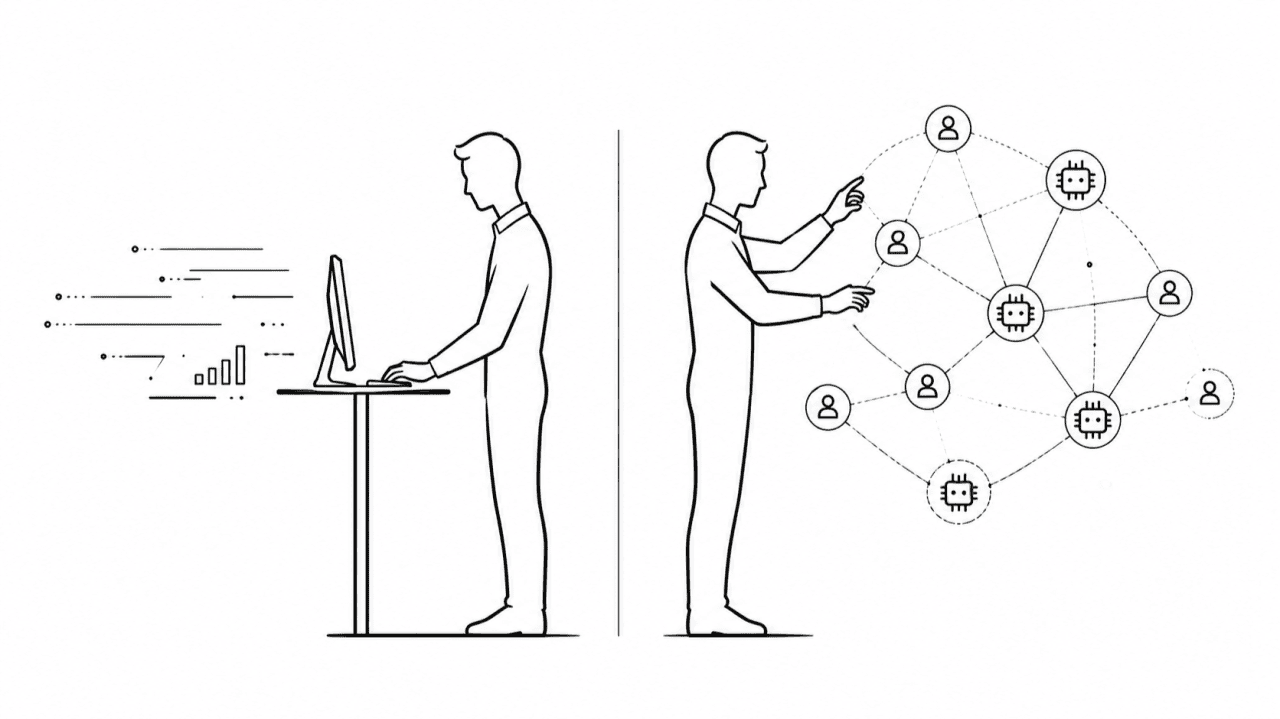
Embracing the next phase of AI-driven innovation in life sciences
Paul Vauterin has transitioned from Chief Technology Officer (CTO) to Chief Operating Officer (COO) at BioLizard, reflecting a shift in focus towards helping organisations integrate AI into their operations and unlock greater value from their data.
In a recent article, Moving from CTO to COO in an agentic world, Paul shares his perspective on how generative AI and AI agents are changing the role of technology in life sciences. As coding, data processing and automation become more accessible, he believes the real differentiator is no longer simply having access to advanced technology, but knowing how to integrate it effectively into the way teams work.
In his new role, Paul will focus on organisational innovation, bringing together human expertise and AI to improve productivity while maintaining the scientific rigour, transparency and accountability that are essential in biotech and pharma.
This transition reflects BioLizard’s commitment to helping life sciences organisations navigate an increasingly AI-driven world, combining technological innovation with deep biological expertise to support better decisions and meaningful scientific impact.
Read Paul’s full perspective: Moving from CTO to COO in an agentic world
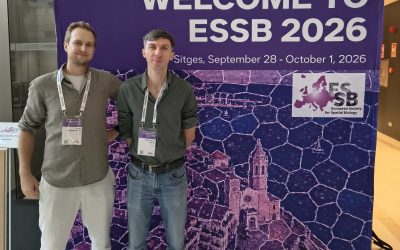
BioLizard is proud to have received the Best Poster Award at the European Society for Spatial Biology (ESSB) conference, recognising our work on benchmarking cell segmentation methods for single-cell spatial transcriptomics.
For over a century, the life sciences industry has relied on animal models as the standard for predicting drug safety and effect. But today, the industry faces a harsh reality: over 90% of new drugs that appear safe and effective in animal tests ultimately fail in human clinical trials (see for example Ineichen et al. 2024 [1] and Marshall et al. 2023[2])
Oncology drug development often begins in patients, allowing early safety and efficacy insights. Yet many cancer drugs still fail in the clinic. We validate the target but ignore its context within the tumor microenvironment. This article explores why spatial biology may improve clinical success.