





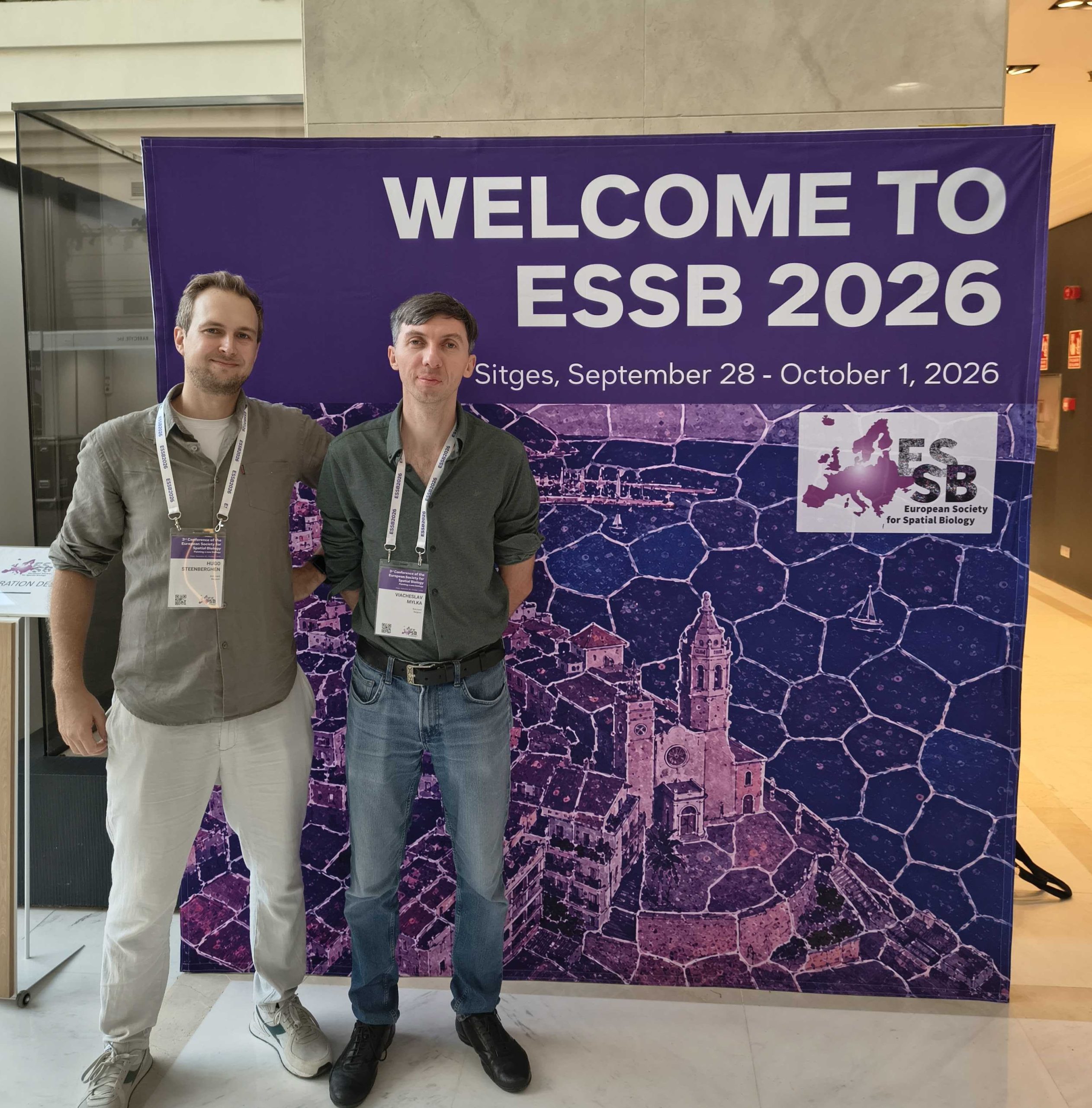
BioLizard is proud to have received the best poster award at the European Society for Spatial Biology (ESSB) conference, recognising our work on benchmarking cell segmentation methods for single-cell spatial transcriptomics.
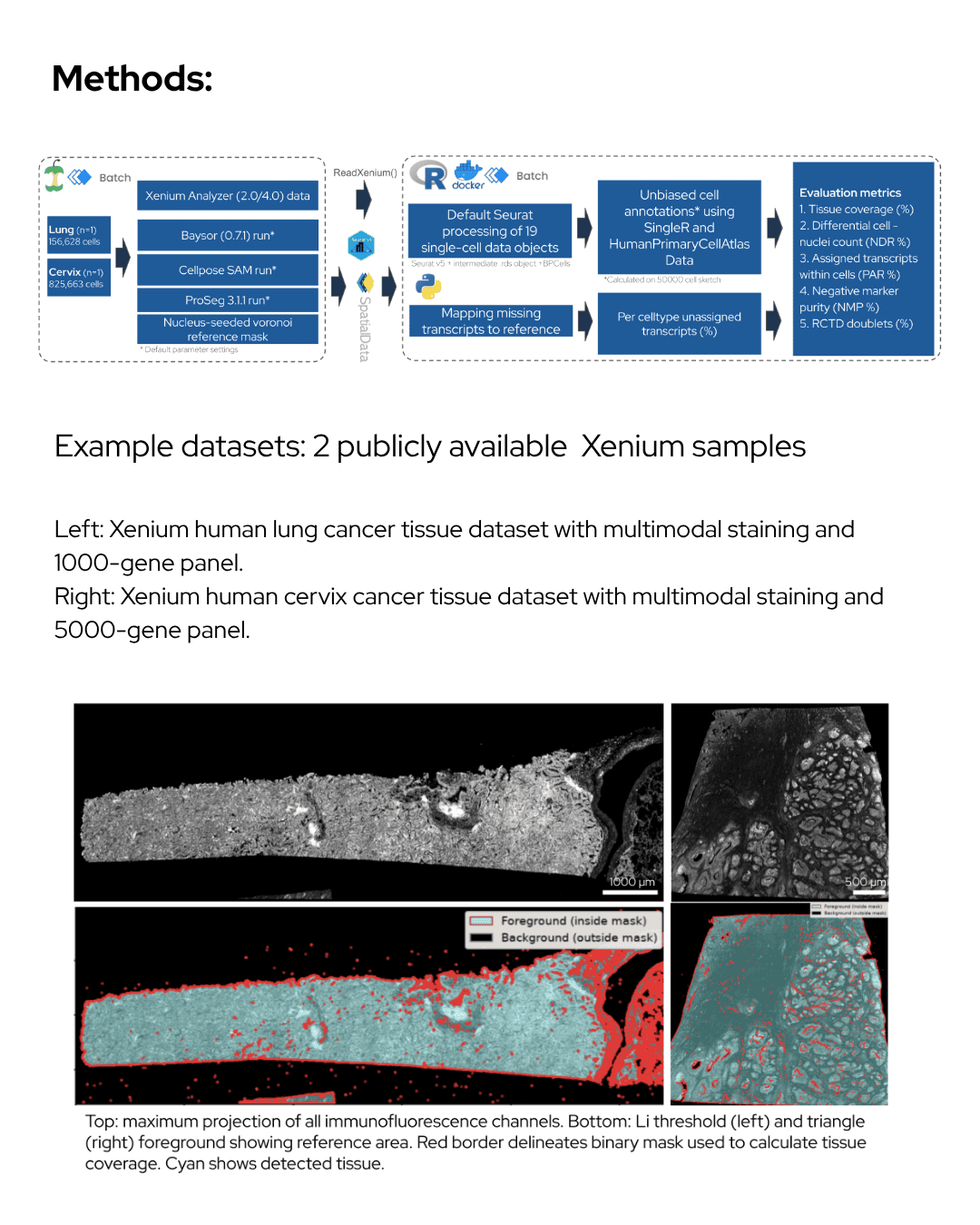
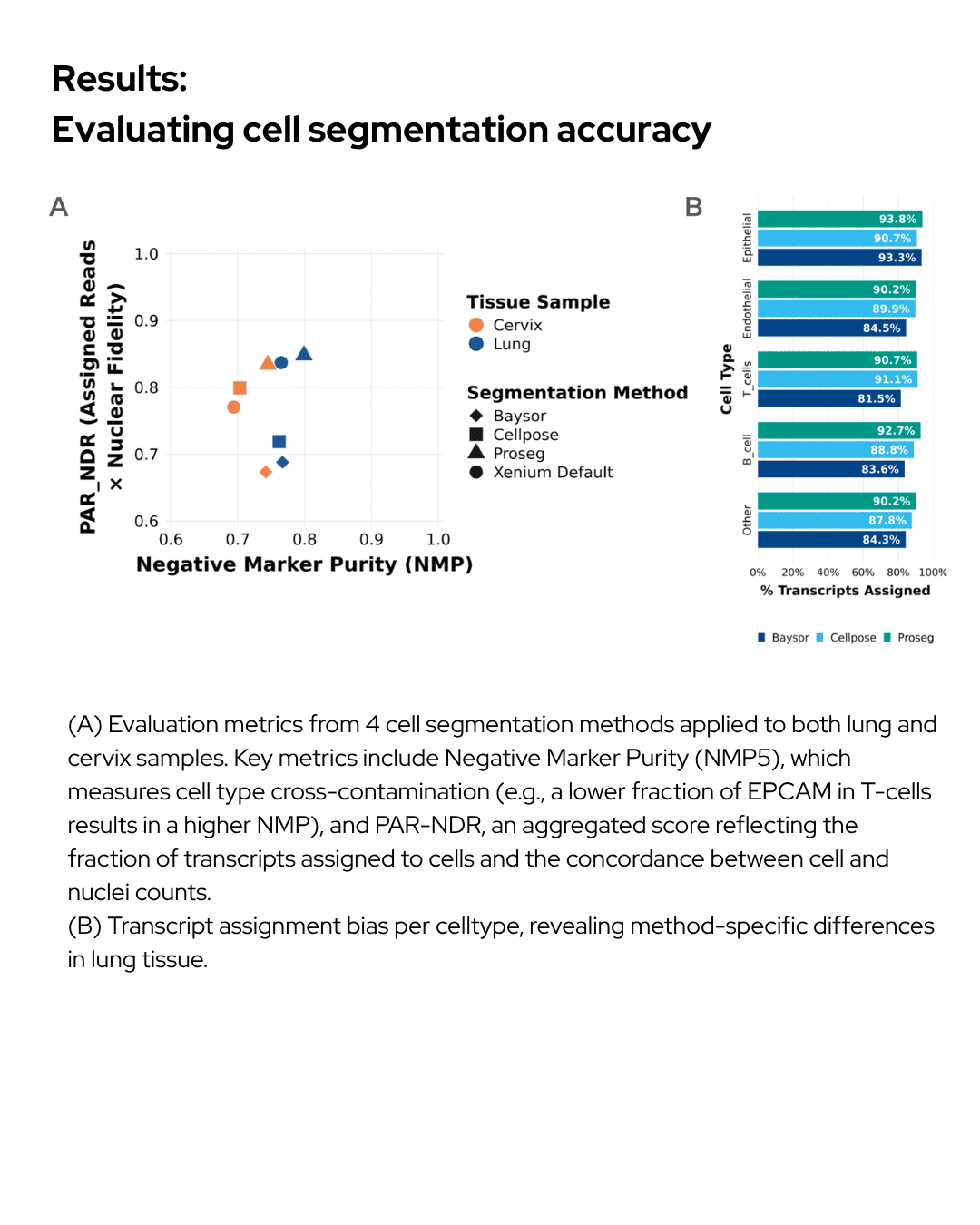
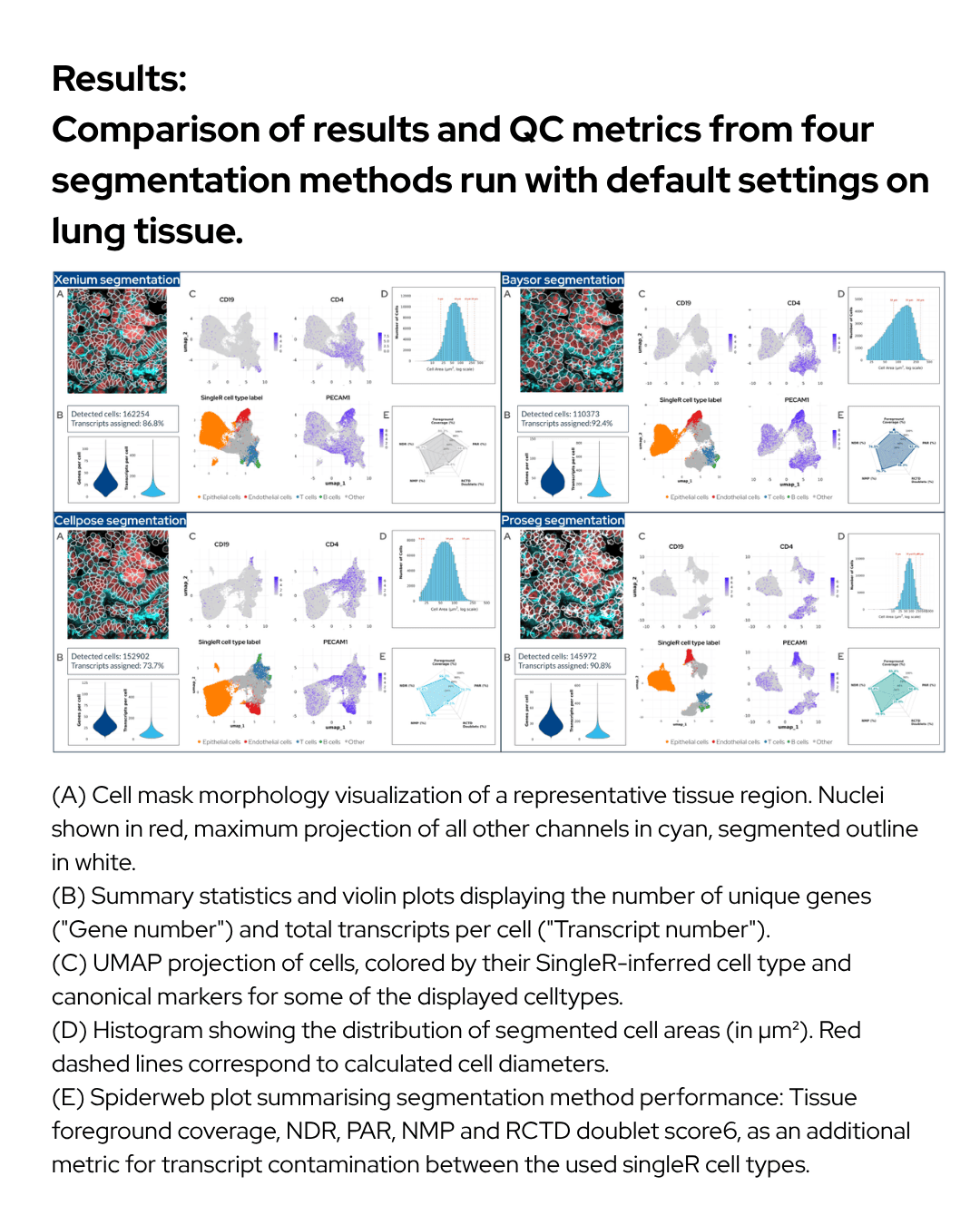
Presented by Hugo Steenberghen, Michiel Van der Haegen, Alexander Scheer and Viacheslav Mylka, the poster explored how four cell segmentation methods perform across human lung and cervix cancer Xenium datasets. The team compared key quality metrics, including cell-type purity, transcript assignment, tissue coverage, and cell boundary accuracy, to better understand how segmentation choices influence downstream analyses.
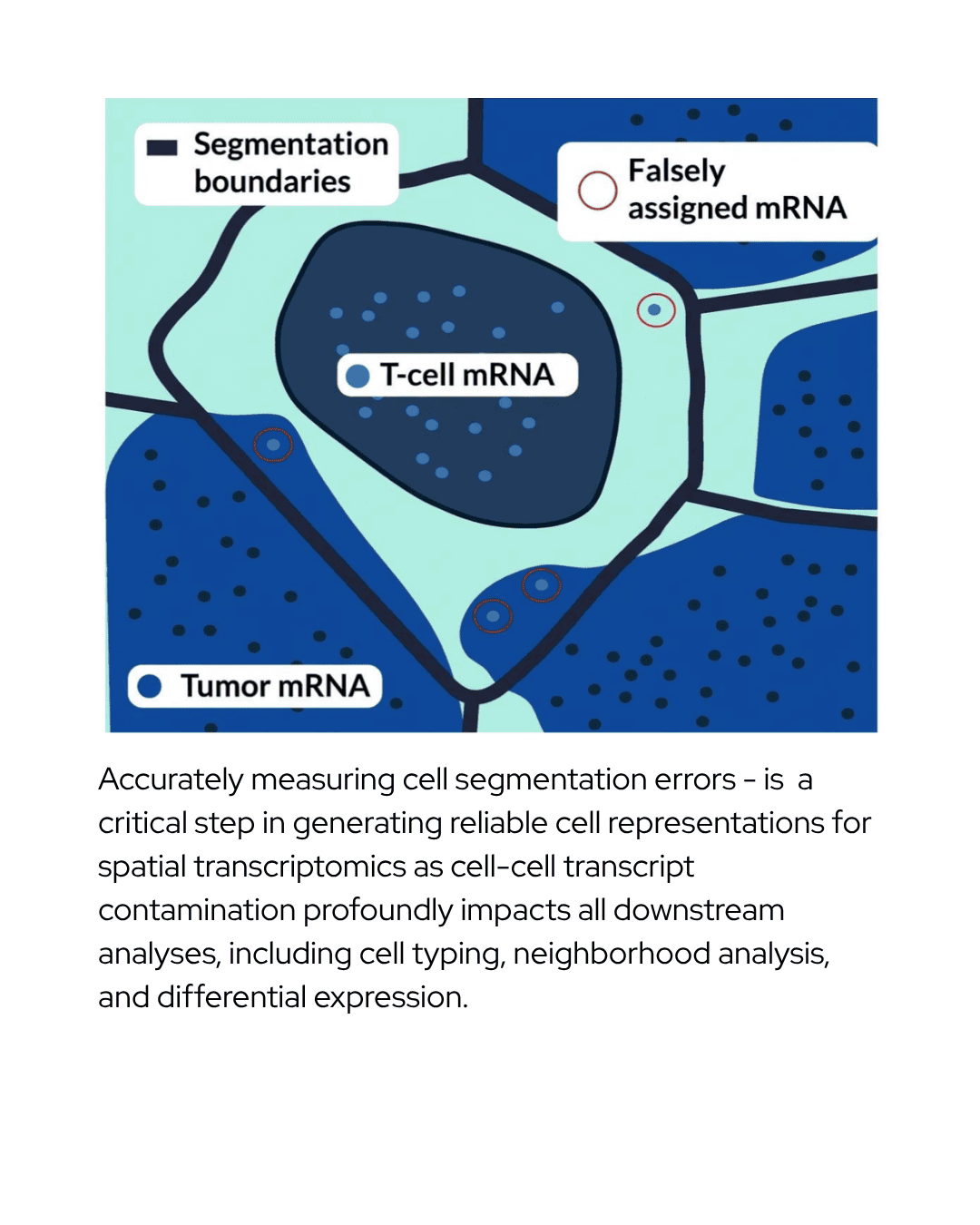
Accurate cell segmentation is essential for generating reliable spatial transcriptomics data. The findings highlight how different methods involve different trade-offs, reinforcing the importance of selecting and evaluating segmentation approaches based on the dataset and research question.
The award is a great recognition of work that resonates with the spatial biology community. We’re proud of our team and grateful for the opportunity to share our research, exchange ideas, and contribute to advancing reliable, biologically meaningful insights from complex spatial data.
Explore the key findings and takeaways from our poster below.
Conclusions

AI has quickly become part of everyday biotech research, helping scientists navigate information, write code and make sense of complex data. But chat-based tools have their limits. They can provide answers and guidance, but they cannot always do the actual scientific work. As biotech moves beyond the chatbox, the next step is putting AI to work directly within research workflows.
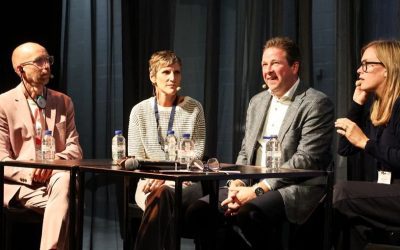
KMOinsider and Netwerkers.be, host a panel of four perspectives on leadership, with discussions spanning strategy, communication, trust, autonomy and the role of people in organisational growth.
Paul Vauterin has transitioned from Chief Technology Officer (CTO) to Chief Operating Officer (COO) at BioLizard, reflecting a shift in focus towards helping organisations integrate AI into their operations and unlock greater value from their data.