





Phase 2
This is where programs must prove they deserve continued investment. Phase 2 separates responders from non-responders and tests whether signals are strong enough to justify moving forward. Phase 3 raises the stakes further, shifting the focus from isolated results to consistency, reproducibility, and system-level reliability.
At this stage, the science is complex and the infrastructure behind it must be able to withstand scale, scrutiny, and audit.
Teams need robust stratification strategies, multi-omics signatures of efficacy, and clear dose–response patterns to support go or no-go decisions. As trials scale, they also need disease progression models, harmonized multi-center data, standardized QC, and pipelines that are reproducible, auditable, and regulator-ready. Evidence must satisfy partners, investors, and regulators alike.
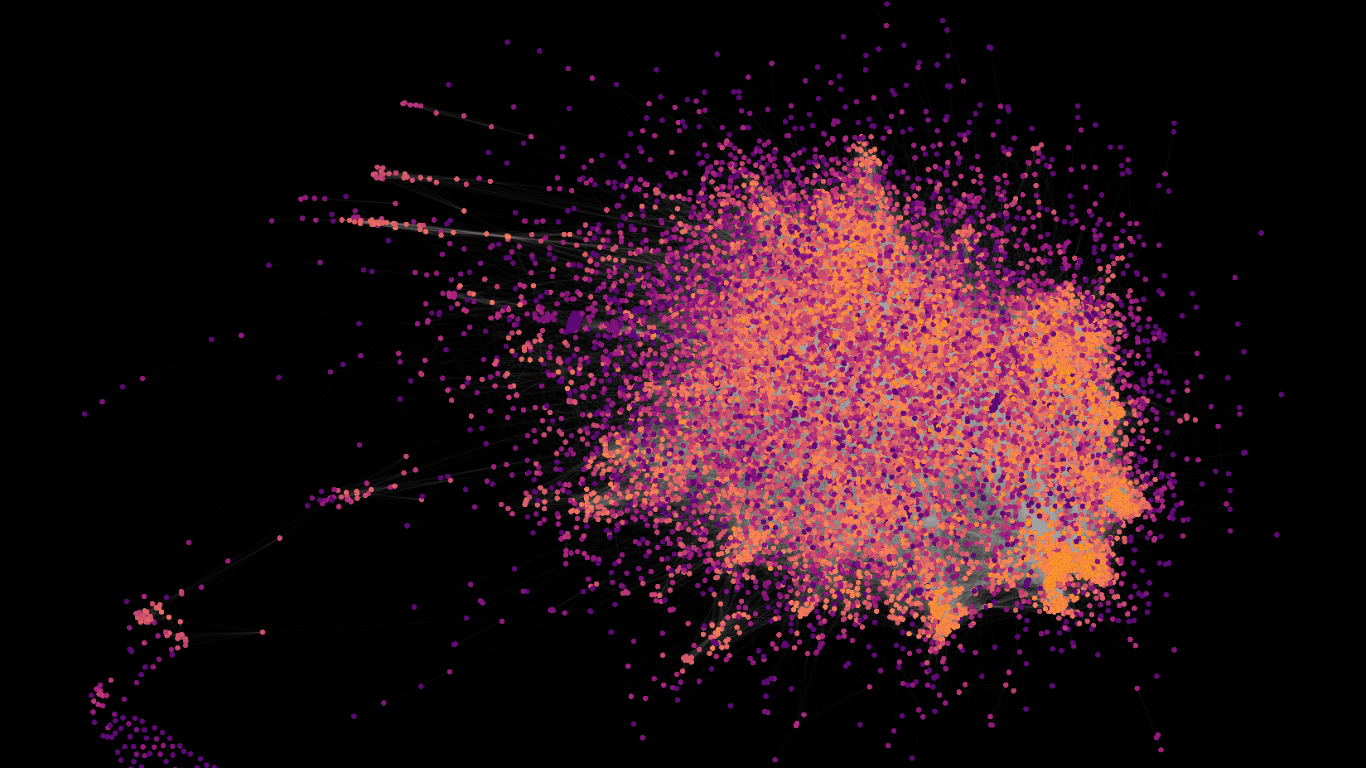
Spatial and SC modules integrate with Bio|Mx® to provide mechanistic clarity and tissue-level evidence during Phase 2.
Explore →
Spatial biomarkers | Stratified response modeling | Disease progression simulations | Multi-omics integration packages | Large-scale Nextflow pipelines | Multi-center harmonization modules | Regulatory documentation packs | Clinical-grade data ingestion
Explore all solutions →

Salmonella infection in poultry has a detrimental effect on growth and therefore production. Knowledge of host resistance genes helps optimize precision management.

Chronic diseases are a burden for companion animals, but can be managed better if diagnosed early. Multi-omics analysis is complex, but offers opportunities to discover novel biomarker panels.

The client wanted to study the expression of their target gene within two known indications and to uncover other diseases where the target has a similar mode of action. Identifying comparable indications could strengthen the business case for further development. Our...