





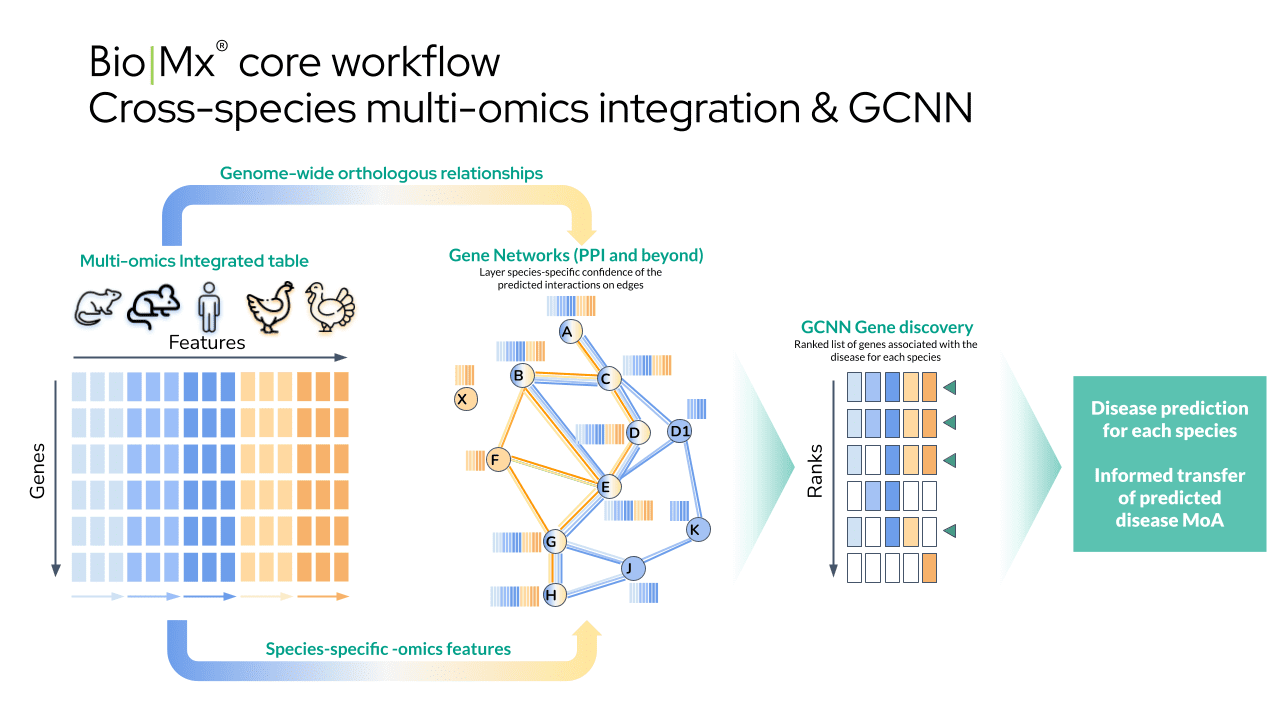
Chronic diseases are a burden for companion animals, but can be managed better if diagnosed early. Multi-omics analysis is complex, but offers opportunities to discover novel biomarker panels.
A global animal health pharmaceutical company has amassed significant molecular data & continues to acquire new data assets rapidly. This has escalated its bioinformatics demands and introduced both data management challenges & opportunities, which they require expert guidance to navigate.
Audited existing scientific workflows to deliver a comprehensive re-engineering implementation plan
Refactored five independent analysis tools into robust, production-quality code by bridging scientific expertise with software best practices
Engineered a unified pipeline to connect in-house and external software into one coherent workflow
Deployed a robust Nextflow architecture to seamlessly orchestrate and scale the unified scientific workflows
Embedded these integrated workflows directly into the client’s custom cloud-based business orchestration layer
Delivered a comprehensive testing strategy and rigorous documentation to fully support Computerized System Validation (CSV)
Let’s discuss how we can turn your data into real scientific impact.
Contact us >
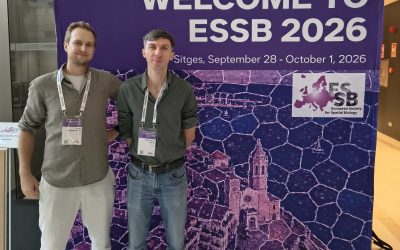
BioLizard is proud to have received the Best Poster Award at the European Society for Spatial Biology (ESSB) conference, recognising our work on benchmarking cell segmentation methods for single-cell spatial transcriptomics.
Paul Vauterin has transitioned from Chief Technology Officer (CTO) to Chief Operating Officer (COO) at BioLizard, reflecting a shift in focus towards helping organisations integrate AI into their operations and unlock greater value from their data.
For over a century, the life sciences industry has relied on animal models as the standard for predicting drug safety and effect. But today, the industry faces a harsh reality: over 90% of new drugs that appear safe and effective in animal tests ultimately fail in human clinical trials (see for example Ineichen et al. 2024 [1] and Marshall et al. 2023[2])