





Phase
Once programs leave pure discovery, the demands change. Biology must withstand pressure. Evidence must connect molecular findings to real outcomes. This is where translational clarity sets the tone for the rest of the development.
Teams aim to understand mechanisms, build predictive biomarkers, and design preclinical studies that can be translated. They need confidence that what works in model systems will hold true in human biology.
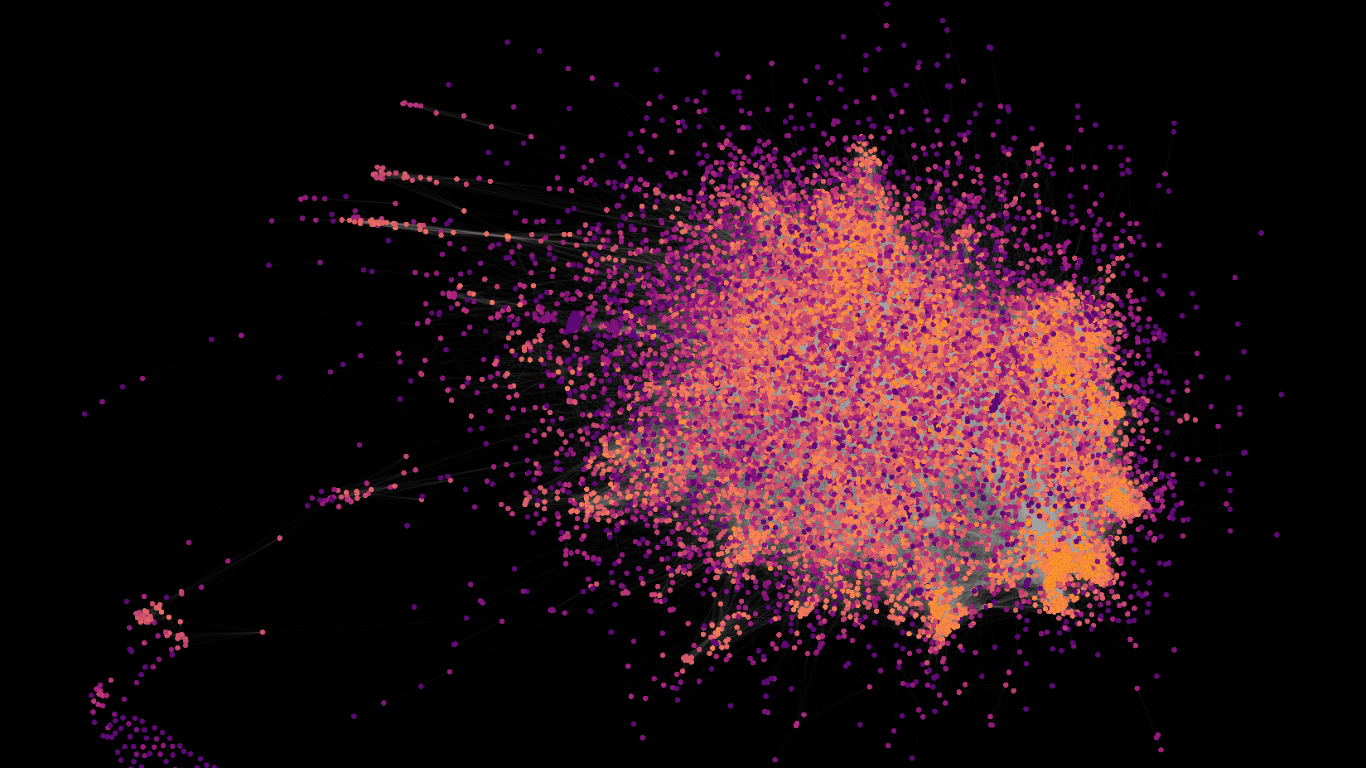
Bio|Mx® anchors translational insight. Dashboards let teams track biomarkers, explore mechanistic patterns, and compare preclinical and human data.
Explore →
Multi-omics modeling | Digital twin simulations | Proteomics and metabolomics pipelines | IND and IMPD data structures
Explore all solutions →
The Challenge The client is conducting a first-in-human trial of a treatment for osteoarthritis and needs to assess its performance against competing therapies and determine the appropriate sample size for the pivotal trial. There are too many articles to review...
Salmonella infection in poultry has a detrimental effect on growth and therefore production. Knowledge of host resistance genes helps optimize precision management.
Chronic diseases are a burden for companion animals, but can be managed better if diagnosed early. Multi-omics analysis is complex, but offers opportunities to discover novel biomarker panels.