





Antimicrobial resistance threatens global health, and designing antimicrobial peptides requires balancing efficacy and toxicity. Madam Therapeutics needed to predict activity and toxicity of synthetic peptides quickly to accelerate discovery.
We combined large‑scale data mining, machine learning and insight extraction to accelerate antimicrobial peptide discovery.
By combining NLP and ML, this project turned peptide discovery into a data‑driven process. Predictive modelling reduces experimental screening time and supports development of safer antimicrobials in the fight against antimicrobial resistance.
Let’s discuss how we can turn your data into real scientific impact.
Contact us >

AI has quickly become part of everyday biotech research, helping scientists navigate information, write code and make sense of complex data. But chat-based tools have their limits. They can provide answers and guidance, but they cannot always do the actual scientific work. As biotech moves beyond the chatbox, the next step is putting AI to work directly within research workflows.
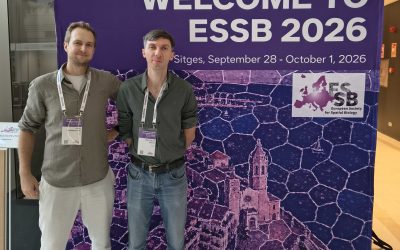
BioLizard is proud to have received the Best Poster Award at the European Society for Spatial Biology (ESSB) conference, recognising our work on benchmarking cell segmentation methods for single-cell spatial transcriptomics.
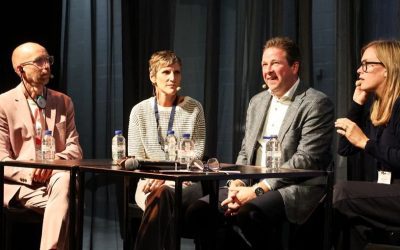
KMOinsider and Netwerkers.be, host a panel of four perspectives on leadership, with discussions spanning strategy, communication, trust, autonomy and the role of people in organisational growth.