





A leading animal health company had amassed large volumes of molecular data and needed to develop diagnostics for target disease in cats and dogs. They faced challenges in managing, integrating and extracting value from thousands of proteomic, genomic and transcriptomic datasets.
We devised a FAIR data strategy, built a scalable multi‑omics integration platform and discovered novel biomarkers with a management roadmap.
By integrating multi‑omics across species and implementing FAIR principles, this project brings veterinary diagnostics closer to the standard of human medicine. Early detection can improve treatment options and quality of life for millions of pets.
Let’s discuss how we can turn your data into real scientific impact.
Contact us >
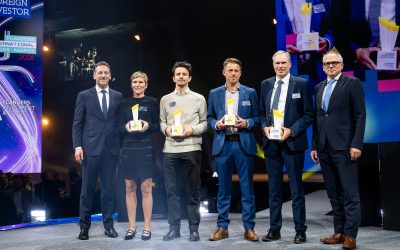
BioLizard has won the FIBA Exporter – Cub 2026 Award, presented by Flanders Investment & Trade (FIT) during the Flanders International Business Awards on 13 November 2026.

A well-deserved recognition for our CEO, Liesbeth Ceelen, has been named by Trends as one of the 50 Belgians expected to help shape the future over the next 50 years.

AI has quickly become part of everyday biotech research, helping scientists navigate information, write code and make sense of complex data. But chat-based tools have their limits. They can provide answers and guidance, but they cannot always do the actual scientific work. As biotech moves beyond the chatbox, the next step is putting AI to work directly within research workflows.