
BioLizard has been listed as a Trends Gazelle

1
minutes
As a fast-growing company, BioLizard has been recognised as one of the companies to watch in 2025! ⭐️ 👀
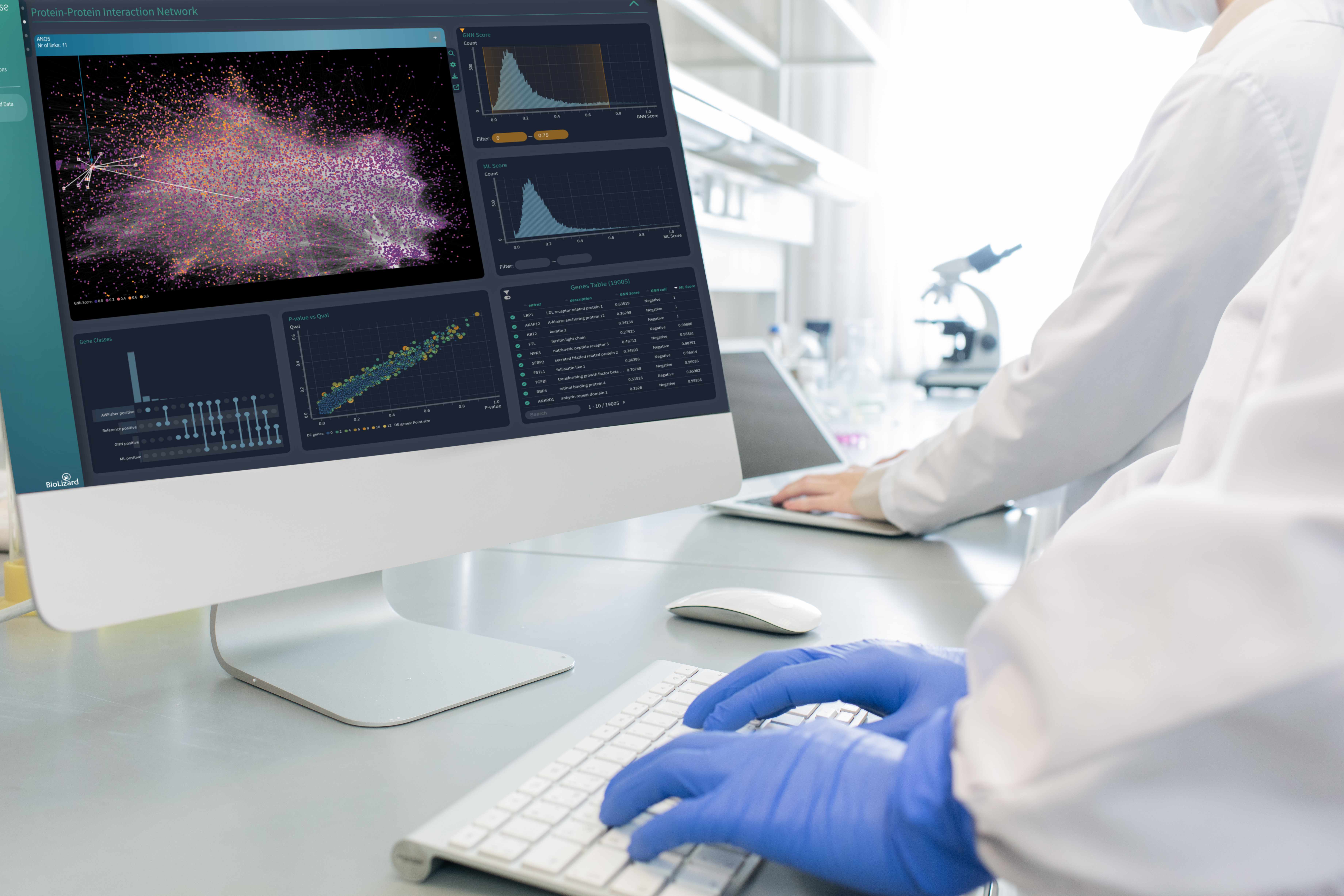
Bio|Verse Navigator can accelerate data exploration and interpretation workflows multifold, reducing time-to-insight for researchers. The application combines advanced BioLizard’s bioinformatics expertise in handling various customer datasets with powerful visual analytics, capable of exploring ...
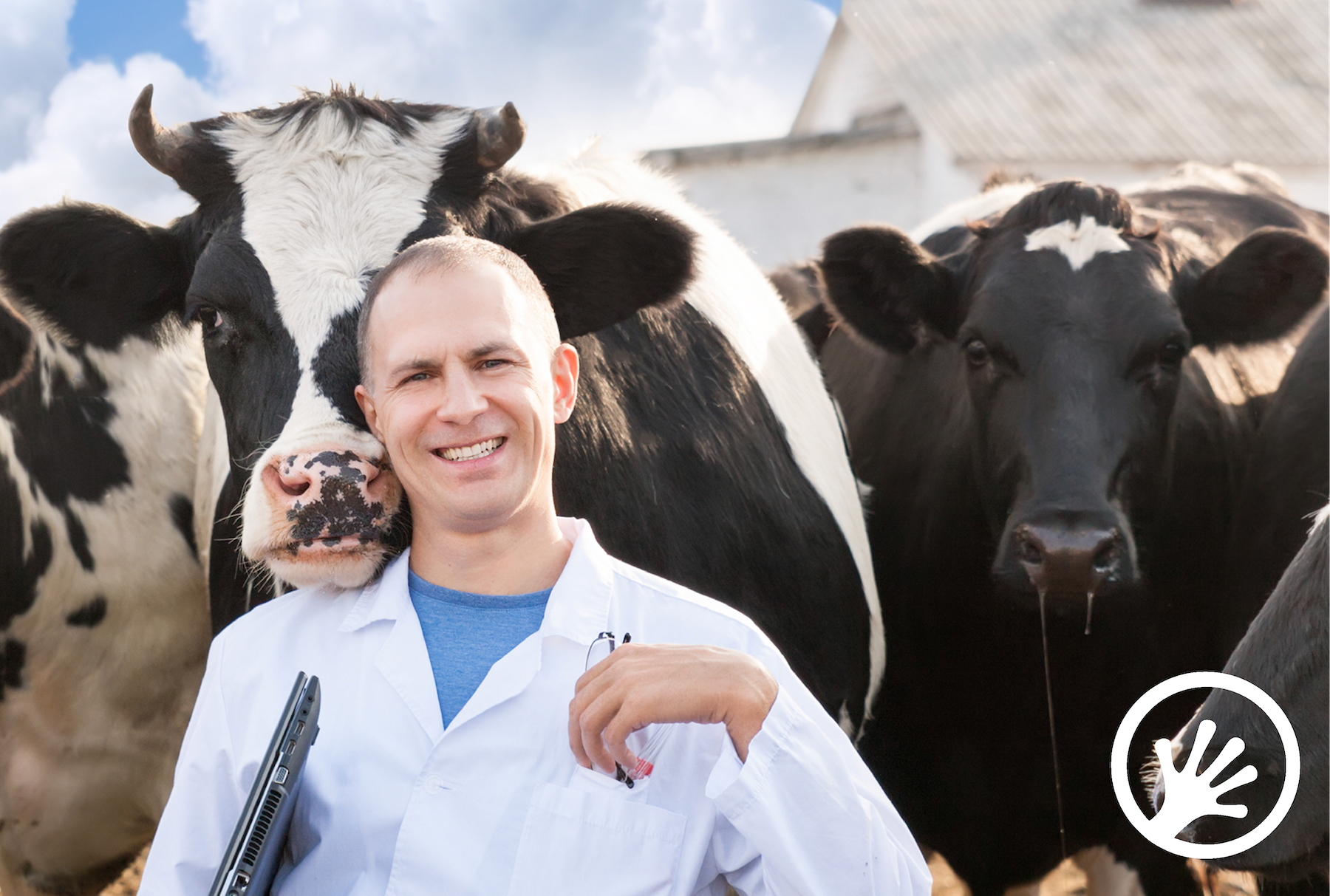
Data science is vastly changing the way we do research. Veterinary research is, however, still lagging behind its human counterpart. Why is this the case and can we learn from human health data to close this gap? Published by: BioVox on November 27, 2024 - link
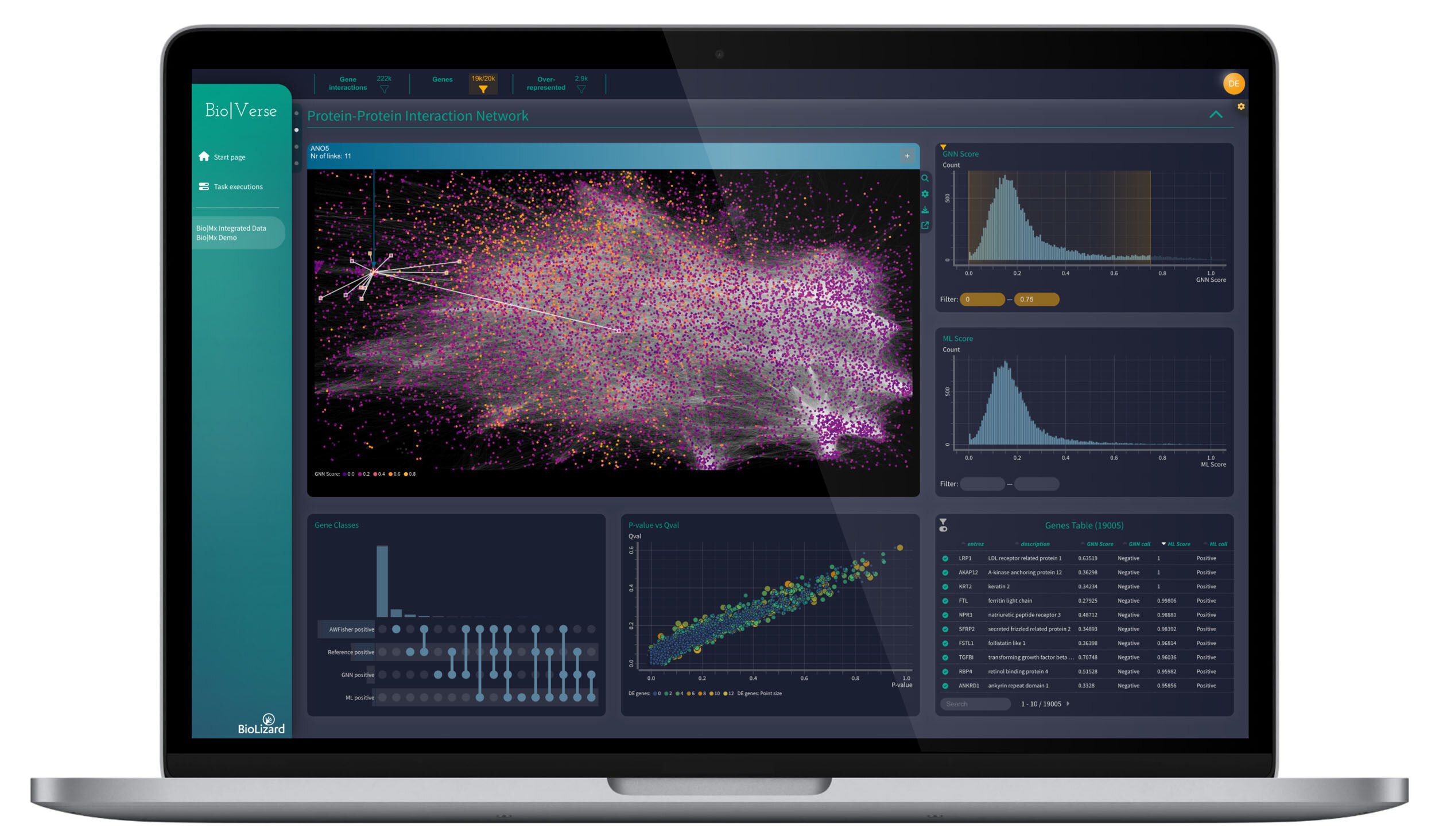
Published by: European Biopharmaceutical Review on 23.10.2024. Link By Paul Vauterin, Chief Technology Officer at BioLizard In today’s life sciences industry, economic uncertainties are prompting a shift in investment focus. BioLizard addresses this challenge by empowering biotech companies to ...
Due to the size and dimensionality of the datasets required, data science is an essential component of modern biomarker discovery and development. It's no longer feasible to mine and process these data sets manually, which demands collaboration between R&D specialists, bioinformaticians, and ...
Biomarker discovery is important not only in the pursuit of better diagnostics but also for de-risking drug development. By leveraging validated biomarkers, you can prioritize drug candidates with higher likelihoods of therapeutic success, thereby reducing the risk of failure in later stages of ...
Studying the plant microbiome tells us which phyla, families or species (collectively referred to as ‘taxa’) are present in and around the plant, and how abundant they are. For example, the bacterial phyla Proteobacteria, Bacteroidetes, Firmicutes and Actinobacteria are enriched in the rhizosphere ...